
Understanding Your Elite Rice Cooker
Elite cookers range from 6 to 10-cup capacities, featuring stainless steel pots and automatic keep-warm functions.
Accessories include spatulas and measuring cups for convenient operation.
Models like ERC2010B and ERC-003ST offer varied features, ensuring perfectly cooked rice with minimal effort and maximum flavor.
Model Variations & Capacities
Elite Gourmet offers a diverse range of rice cookers to suit various household needs. Popular models include the ERC2010B, a 10-cup capacity cooker capable of producing 5 cups of uncooked rice, and the ERC-003, a more compact 6-cup option (3 cups uncooked).
These variations cater to different family sizes and cooking volumes. The ERC-135 model also exists, though specific capacity details require further investigation. Elite cookers generally prioritize ease of use, with automatic functions and convenient features.
Understanding the capacity is crucial for selecting the right model; a larger capacity is ideal for families or those who frequently cook for groups, while a smaller one suits individuals or couples. Always consider your typical rice consumption when making your choice.
Key Components & Accessories
Elite rice cookers feature several key components for optimal performance. A removable, food-grade stainless steel cooking pot ensures even heat distribution and easy cleaning. A vented tempered glass lid allows monitoring of the cooking process without releasing steam. Cool-touch side handles prioritize user safety during operation.
Essential accessories typically include a measuring cup, specifically designed for accurate rice-to-water ratios, and a spatula for serving fluffy rice. Some models, like those with steamer functionality, include a dedicated steamer tray for versatile cooking.
These components work together to deliver consistently excellent results, making rice preparation simple and convenient. Proper care and maintenance of these parts are vital for longevity.
Initial Setup & Preparation
Before first use, thoroughly clean the cooking pot, inner lid, and exterior. A priming cycle with water is recommended to remove any manufacturing residue;
First-Time Use: Cleaning & Priming
To ensure optimal performance and hygiene, a thorough cleaning is crucial before the initial use of your Elite rice cooker. Begin by removing all packaging materials and accessories. Wash the stainless steel cooking pot, inner lid, and steamer tray (if included) with warm, soapy water. Rinse them completely and dry with a soft cloth.
Next, perform a priming cycle. Add a cup of water to the cooking pot and close the lid. Plug in the rice cooker and initiate a standard cooking cycle as if you were cooking rice. Allow the cycle to complete fully. This process helps eliminate any residual odors or manufacturing residues that may be present. Once cooled, discard the water and thoroughly dry the pot again. Your Elite rice cooker is now ready for its first culinary adventure!
Understanding the Control Panel
The Elite rice cooker’s control panel is designed for intuitive operation. Typically, you’ll find a single “Cook/Warm” switch or button. Pressing it initiates the cooking cycle; the cooker automatically switches to the “Warm” setting once cooking is complete. Some models may feature additional settings for specific rice types, like “White Rice” or “Brown Rice,” optimizing cooking parameters.
Indicator lights clearly display the cooker’s status – “Cook” illuminates during the cooking phase, while “Warm” indicates the keep-warm function is active. Familiarize yourself with these indicators to monitor the cooking process effectively. Avoid interrupting the cycle unless necessary, as this may affect the final result.
Cooking Perfect Rice
Achieving fluffy rice is simple! Use the correct rice-to-water ratio, select the appropriate setting, and let the Elite cooker do the rest automatically.
Enjoy consistently delicious results with minimal effort, thanks to the cooker’s automated functions.
Rice-to-Water Ratios for Different Rice Types
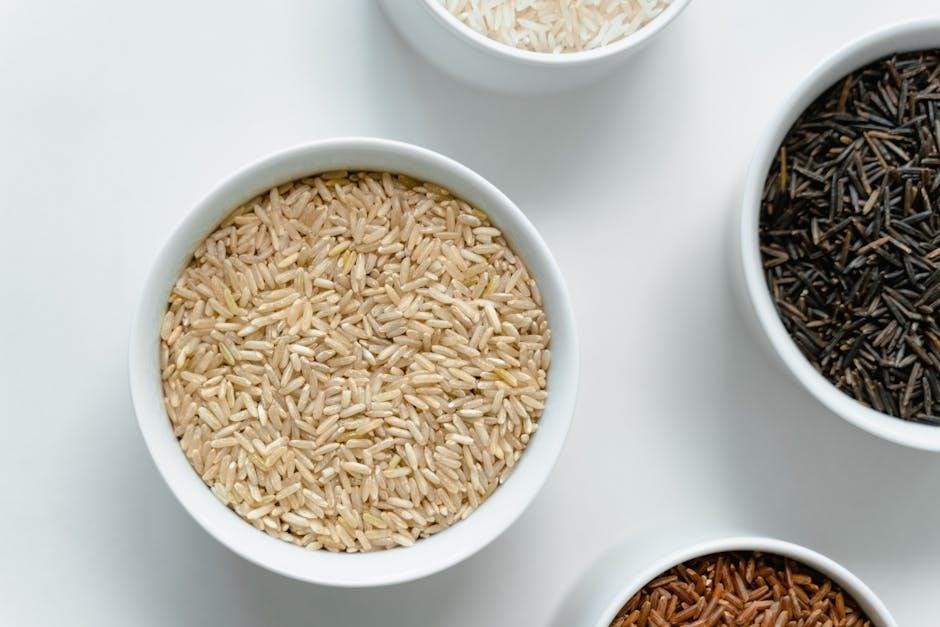
Optimal rice cooking hinges on precise water ratios. For white rice, a standard ratio is 1 cup of rice to 1.5 cups of water, yielding fluffy grains. Brown rice, being denser, requires more liquid – typically 1 cup of rice to 2.25 cups of water, ensuring it cooks through without becoming mushy.
Jasmine rice benefits from a slightly reduced ratio of 1 cup rice to 1.25 cups water, preserving its fragrant aroma. Basmati rice also prefers a 1:1.25 ratio. Experimentation is key, as rice varieties and personal preferences can influence the ideal amount. Always refer to the rice package instructions as a starting point, and adjust slightly based on your Elite cooker’s performance and desired texture.
Remember, accurate measurements are crucial for consistent results. Using the included measuring cup ensures precision, leading to perfectly cooked rice every time.
Cooking White Rice: Step-by-Step Instructions
Begin by measuring the desired amount of white rice – typically up to 5 cups uncooked for a 10-cup model. Rinse the rice under cold water until the water runs clear, removing excess starch. Add the rinsed rice to the stainless steel cooking pot.
Next, add water using a 1:1.5 rice-to-water ratio. Secure the vented tempered glass lid. Plug in the Elite rice cooker and press the ‘Cook’ button. The cooker will automatically switch to ‘Keep-Warm’ once cooking is complete.
Allow the rice to rest, covered, for 10-15 minutes before fluffing with the included spatula. This ensures even moisture distribution and optimal texture. Enjoy your perfectly cooked white rice!
Cooking Brown Rice: Step-by-Step Instructions
Start by measuring your brown rice – up to 3 cups uncooked is suitable for many models. Rinse the rice thoroughly under cold water to eliminate any surface starch. Place the rinsed rice into the stainless steel cooking pot of your Elite rice cooker.
For brown rice, a 1:2.25 rice-to-water ratio is recommended. Secure the vented glass lid tightly. Press the ‘Cook’ button to initiate the cooking cycle. Brown rice requires a longer cooking time, so be patient.
Once the cooker switches to ‘Keep-Warm’, let the rice stand, covered, for 10 minutes. Fluff gently with the provided spatula before serving for a delightful, nutty flavor.

Steaming with Your Elite Rice Cooker
Utilize the steamer tray by filling it with food and adding water to the cooker’s base.
This allows for simultaneous rice and vegetable preparation.
Steam fish, vegetables, or other foods effortlessly while your rice cooks, maximizing efficiency.
Using the Steamer Tray: Food Preparation
Before steaming, ensure the included steamer tray is clean and properly positioned within your Elite rice cooker. Cut vegetables into uniform sizes for even cooking; smaller pieces will cook faster. For fish or poultry, consider marinating beforehand to enhance flavor.
Place the prepared food directly onto the steamer tray, avoiding overcrowding to allow steam circulation. Ensure food doesn’t touch the water below. Add approximately half a cup of room temperature water to the rice cooker’s inner pot – this creates the steam necessary for cooking.
The amount of water may vary depending on the steaming time and quantity of food. Always refer to specific recipes for optimal results. Securely place the vented tempered glass lid on the rice cooker to trap the steam and maintain consistent temperature.
Steaming Vegetables, Fish & Other Foods
Elite rice cookers excel at steaming a variety of foods. For vegetables, steaming preserves nutrients and vibrant color, typically requiring 10-15 minutes depending on the type. Broccoli, carrots, and green beans steam beautifully.
Fish fillets, approximately 6-8 ounces, usually steam in 12-15 minutes, becoming flaky and moist. Poultry, like chicken breasts, may take 20-25 minutes. Ensure internal temperatures reach safe levels using a food thermometer.
Experiment with seasonings – herbs, lemon slices, or spices – placed directly on the food or in the water below for added flavor. Monitor the water level during longer steaming times, adding more if needed to prevent the cooker from drying out.

Maintenance & Cleaning
Regular cleaning ensures longevity. Remove the cooking pot and inner lid for washing after each use. Wipe the exterior and control panel with a damp cloth.
Avoid abrasive cleaners that could damage surfaces, preserving your Elite cooker’s performance.
Cleaning the Cooking Pot & Inner Lid
After each use, promptly remove the stainless steel cooking pot and inner lid from your Elite rice cooker. These components are typically dishwasher safe, offering a convenient cleaning option. However, hand washing with warm, soapy water is also perfectly acceptable and may prolong their lifespan.
For stubborn food residue, allow the pot and lid to soak in warm, soapy water for approximately 15-20 minutes before scrubbing gently with a non-abrasive sponge or cloth. Avoid using steel wool or harsh scouring pads, as these can scratch the stainless steel surface.
Ensure all soap residue is thoroughly rinsed away before drying completely. Pay particular attention to cleaning the inner lid, as steam condensation can sometimes leave mineral deposits. A mixture of vinegar and water can effectively remove these deposits.
Cleaning the Exterior & Control Panel
To maintain the appearance and functionality of your Elite rice cooker, regularly clean the exterior surfaces. Always ensure the unit is unplugged and completely cool before cleaning. Wipe down the exterior housing with a damp, soft cloth. Avoid using abrasive cleaners or solvents, as these can damage the finish.
For the control panel, use a slightly damp cloth to gently wipe away any spills or splatters. Do not spray liquids directly onto the control panel, as this could cause electrical damage. A soft brush can be used to remove debris from around the buttons and display.
Pay attention to the cool-touch handles, ensuring they are free from residue. Regular cleaning will help prevent buildup and maintain a hygienic cooking environment.

Troubleshooting Common Issues
If rice is mushy or hard, adjust water ratios. A cooker failing to power on may indicate a power supply or cord issue—check connections!
Rice is Too Mushy or Too Hard
Achieving the perfect rice texture requires understanding water ratios. If your rice consistently turns out mushy, reduce the amount of water used in the next cooking cycle. Start by decreasing the water by a quarter of a cup and observe the results.
Conversely, if the rice is too hard or dry, slightly increase the water. A tablespoon or two can make a significant difference. Remember that different rice varieties—white, brown, jasmine, etc.—require varying water-to-rice ratios.
Ensure accurate measurements using the provided measuring cup. Also, avoid lifting the lid during cooking, as this releases steam and disrupts the cooking process. Consistent practice and minor adjustments will lead to consistently perfect rice!
Rice Cooker Won’t Turn On
If your Elite rice cooker fails to power on, first verify the power cord is securely plugged into both the cooker and a functioning electrical outlet. Test the outlet with another appliance to confirm it’s receiving power.
Next, check the cooker’s lid to ensure it’s properly sealed. Many models have a safety mechanism preventing operation if the lid isn’t fully closed. Inspect the power cord for any visible damage, such as fraying or cuts.
If the issue persists, consult the instruction manual for specific troubleshooting steps related to your model. Avoid attempting repairs yourself; contact customer support for assistance.
Safety Precautions
Always use caution with hot surfaces and steam. Ensure proper cord and outlet usage, avoiding damage. Never immerse the appliance in water.
Follow all warnings in the manual to prevent electrical shock or injury during operation.
Important Safety Warnings
Before operating your Elite rice cooker, carefully read all instructions to minimize risks. Never operate the appliance with a damaged cord or plug, or after a malfunction. Avoid using extension cords.
Always ensure the rice cooker is placed on a stable, heat-resistant surface away from flammable materials. Do not touch hot surfaces, including the cooking pot and lid, during or immediately after use. Use the cool-touch handles provided.
Never immerse the appliance base in water or other liquids. Steam can cause burns; exercise caution when opening the lid. Unplug the cooker when not in use and before cleaning. Keep out of reach of children. This appliance is for household use only.
Do not attempt to repair the rice cooker yourself; contact qualified personnel for servicing.
Proper Cord & Outlet Usage
To prevent electrical hazards, always inspect the power cord for damage before each use. Do not operate the rice cooker if the cord is frayed, cracked, or shows any signs of wear. Avoid bending or pinching the cord during operation or storage.
Ensure the rice cooker is plugged into a grounded 120V AC outlet. Do not use adapters or converters. Avoid using an outlet shared with other high-wattage appliances to prevent overloading the circuit.
Never pull the cord to disconnect the appliance; grasp the plug firmly. When finished, unplug the rice cooker and store it properly, ensuring the cord is not exposed to heat or sharp objects. A damaged cord must be replaced by a qualified technician.
Regularly check the outlet for any signs of damage or overheating.

Advanced Features & Tips
Utilize the keep-warm function for extended freshness, and experiment with rice-to-water ratios to maximize flavor and achieve desired texture in your Elite cooker.
Keep-Warm Function: Optimal Usage
The automatic keep-warm function on your Elite rice cooker is designed to maintain rice freshness after the cooking cycle completes. It seamlessly switches from cooking to warming, preventing overcooking and ensuring a consistently palatable result. However, prolonged use beyond a few hours can slightly dry out the rice.
For optimal results, it’s recommended to consume the rice within 2-3 hours of switching to the keep-warm setting. If longer storage is necessary, consider fluffing the rice gently with a spatula every hour to redistribute moisture. Avoid leaving rice on keep-warm overnight, as this can affect its texture and potentially promote bacterial growth. Regularly check the rice’s consistency and add a tablespoon of water if it appears too dry during extended warming periods.
Maximizing Flavor & Texture
To elevate your rice-cooking experience, consider rinsing the rice before cooking to remove excess starch, resulting in fluffier grains. Experiment with different rice-to-water ratios based on the rice type – white rice generally requires less water than brown rice. Adding a pinch of salt to the cooking water enhances the flavor profile.
For enhanced texture, allow the cooked rice to rest, covered, for 10-15 minutes after the cooking cycle finishes. This allows steam to redistribute, creating a more even and tender consistency. You can also incorporate a small pat of butter or a teaspoon of oil after cooking for added richness and separation of grains. Don’t be afraid to explore adding herbs or spices to the water for infused flavors!