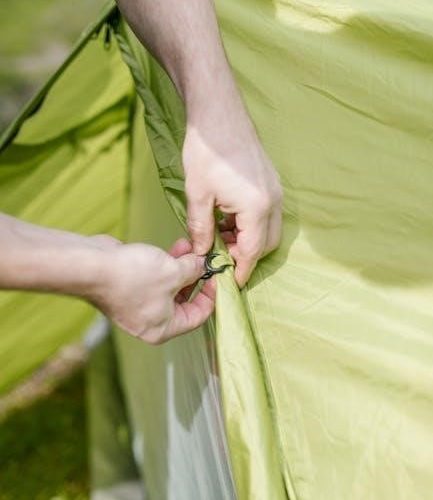
Tent guide ropes are essential components for securely anchoring shelters, providing stability against wind and weather, and ensuring a comfortable camping experience.
What are Tent Guide Ropes?
Tent guide ropes, often referred to as guy lines, are cords or ropes used to secure a tent to the ground, enhancing its stability and resistance to external forces like wind. These ropes typically connect from the tent’s structural points – often loops or webbing – to stakes driven into the earth. They aren’t merely accessories; they’re integral to a tent’s structural integrity, especially in challenging weather conditions.
Essentially, guide ropes work by distributing tension across the tent’s framework, preventing it from collapsing or being displaced. They transform a potentially flimsy structure into a robust shelter. Quality guide ropes are durable, weather-resistant, and often feature adjusters for fine-tuning tension, ensuring a snug and secure pitch. Without them, even the best tent is vulnerable.
Why are Guide Ropes Important?
Guide ropes are critically important for several reasons, primarily relating to tent security and camper safety. They help pull the canvas material taut, creating a stable structure capable of withstanding wind and preventing collapse. Without properly secured guide ropes, a tent is significantly more vulnerable to damage or even complete failure during inclement weather.
Beyond structural integrity, guide ropes contribute to a more comfortable camping experience. A taut tent minimizes flapping and noise, improving sleep quality. They also create better airflow, reducing condensation buildup inside the tent. Properly tensioned guide ropes ensure the tent’s rainfly is correctly positioned, maximizing water resistance. Ultimately, they transform a simple shelter into a reliable haven in the outdoors.
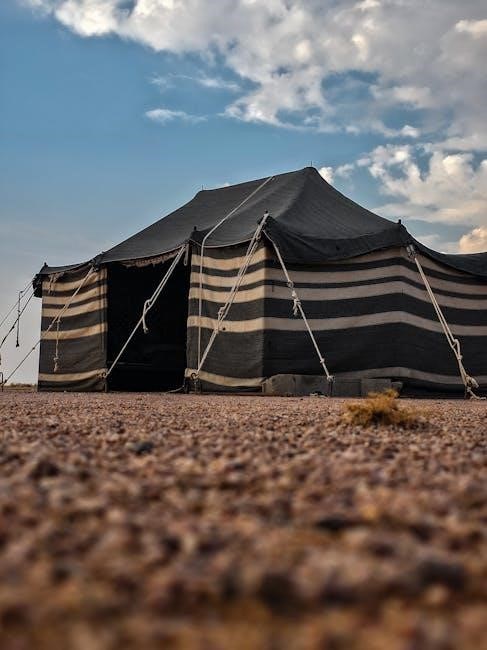
Types of Rope Materials for Tent Guide Ropes
Various rope materials, including nylon, polypropylene, polyester, paracord, and Dyneema/Spectra cord, offer different strengths, weights, and resistances for optimal tent anchoring solutions.
Nylon Rope: Strength and Elasticity
Nylon rope stands out as a popular choice for tent guide ropes due to its remarkable combination of strength and elasticity. This synthetic material boasts a high tensile strength, meaning it can withstand significant force without breaking, crucial for securing tents in windy conditions.
Furthermore, nylon’s inherent elasticity allows it to stretch slightly under tension, absorbing shock loads and reducing the risk of snapping or damaging the tent’s attachment points. This characteristic is particularly beneficial in dynamic environments where gusts of wind are frequent. While offering excellent performance, nylon does have some drawbacks.
It can lose some of its strength when wet and is susceptible to degradation from prolonged exposure to ultraviolet (UV) radiation. Therefore, proper storage and occasional replacement are recommended to maintain its reliability. Despite these considerations, nylon remains a dependable and cost-effective option for many campers.
Polypropylene Rope: Lightweight and Water-Resistant
Polypropylene rope presents a compelling alternative for tent guide ropes, particularly for campers prioritizing lightweight gear and water resistance. This synthetic material is notably lighter than nylon, reducing the overall pack weight – a significant advantage for backpacking or long-distance hiking. A key benefit of polypropylene is its inherent resistance to water absorption; it actually floats!
This property ensures that the rope maintains its strength and usability even when exposed to rain or moisture, unlike some natural fibers. It also exhibits excellent resistance to mildew, rot, and many common chemicals. However, polypropylene isn’t without its limitations.
It generally has a lower tensile strength compared to nylon and is more susceptible to degradation from UV exposure. While suitable for lighter-duty applications, it may not be the best choice for extremely demanding conditions or prolonged use. Despite this, its affordability and practical features make it a viable option.
Polyester Rope: UV Resistance and Durability
Polyester rope stands out as a robust and reliable choice for tent guide ropes, offering a superior balance of strength, durability, and resistance to the elements. Unlike nylon, polyester exhibits exceptional resistance to ultraviolet (UV) radiation, meaning it won’t weaken or degrade as quickly when exposed to sunlight over extended periods. This makes it ideal for campers who frequently set up camp in sunny locations.
Polyester also boasts low stretch, providing consistent tension and minimizing the need for frequent adjustments. It’s highly resistant to abrasion, mildew, and many chemicals, contributing to its long lifespan.
While slightly heavier than polypropylene, polyester’s enhanced durability and UV resistance often outweigh this drawback. It’s a versatile option suitable for a wide range of camping conditions and provides excellent value for its longevity and performance. It’s a smart investment for frequent campers.
Paracord (Type III): Versatility and Strength
Paracord (Type III) is a remarkably versatile cord gaining popularity as a tent guide rope option, prized for its impressive strength-to-weight ratio and multitude of uses beyond simply securing a tent. Constructed with a core of seven strands encased in a woven nylon sheath, paracord offers a breaking strength of 550 pounds – hence the nickname “550 cord.”
This inherent strength makes it exceptionally reliable for anchoring tents, even in challenging weather conditions. However, its true appeal lies in its adaptability. The inner strands can be removed and used for repairs, fishing line, snares, or other emergency needs.
While not as UV resistant as polyester, paracord’s overall versatility and strength make it a valuable addition to any camper’s kit. It’s a multipurpose tool that goes far beyond basic tent setup, offering peace of mind and resourcefulness in the outdoors.
Dyneema/Spectra Cord: Ultra-High Strength-to-Weight Ratio
Dyneema and Spectra cords represent the pinnacle of high-performance rope technology for tent guide ropes, boasting an unparalleled strength-to-weight ratio. These ultra-high-molecular-weight polyethylene (UHMWPE) fibers are significantly stronger than steel wire of comparable diameter, yet remarkably lightweight and floatable.
This makes them ideal for backpackers and adventurers where minimizing weight is crucial. Despite their thin profile, Dyneema/Spectra cords offer exceptional resistance to abrasion, UV degradation, and moisture. They maintain their strength even when wet, unlike some natural fiber ropes.
However, their high cost is a significant drawback. Knots can be challenging to tie securely due to the slippery nature of the fibers, requiring specialized knotting techniques. Despite the price, for serious outdoor enthusiasts prioritizing performance, Dyneema/Spectra is a superior choice.
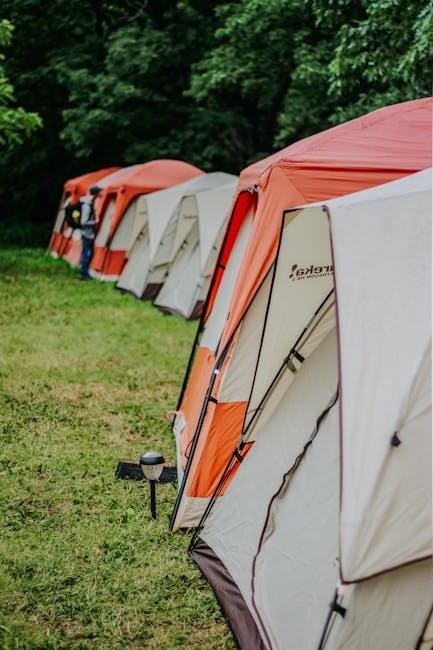
Essential Knots for Tent Guide Ropes
Mastering key knots—like the tautline and timber hitch—is vital for effectively securing tent guide ropes, adjusting tension, and ensuring reliable anchoring.
Tautline Hitch: Adjustable Tensioning
The tautline hitch stands as a cornerstone knot for tent guide ropes, celebrated for its exceptional ability to provide adjustable tension. This knot allows campers to easily tighten or loosen the guy lines, adapting to changing weather conditions or adjusting the tent’s tautness as needed. Primarily, it’s used to attach a guy line directly to a tent, offering a secure and modifiable connection point.
The beauty of the tautline hitch lies in its simplicity and effectiveness. By sliding the hitch along the standing part of the rope, users can fine-tune the tension without retying the entire knot. It’s often recommended to wrap the rope around itself one and a half times, rather than a full rotation, for optimal performance and ease of adjustment. This makes it an invaluable asset for maintaining a stable and comfortable shelter throughout a camping trip.
Timber Hitch: Simple and Secure Attachment
The timber hitch is a remarkably straightforward and reliable knot frequently employed for attaching tent guide ropes to stakes or anchor points. Its strength lies in its simplicity – it’s quick to tie and, when properly executed, provides a secure hold that resists slipping under tension. This knot excels at creating a temporary, yet firm, connection, making it ideal for situations where frequent adjustments aren’t necessary.

Unlike the adjustable tautline hitch, the timber hitch doesn’t offer easy tension adjustment. Instead, it’s best suited for situations where a fixed length and tension are desired. The knot works by wrapping the rope around the stake or anchor and then passing the working end under itself, creating a friction-based grip. While easy to tie, it’s crucial to ensure the wraps are neat and tight to maximize its holding power and prevent slippage, especially in challenging weather conditions.
Using Tent Guide Ropes Effectively
Proper use of guide ropes, with correct angles and tension, dramatically improves tent stability, resisting wind and ensuring a secure, comfortable camping experience.
Proper Angle for Guy Lines
Achieving the correct angle for your tent guy lines is crucial for maximizing stability and withstanding various weather conditions. Ideally, aim for a 45-degree angle between the guy line and the ground. This angle provides an optimal balance between tension and support, effectively distributing forces and preventing the tent from swaying excessively in the wind.
Angles that are too steep offer limited support, while shallower angles don’t provide sufficient tension. Consider the terrain; adjust angles slightly based on ground firmness. Soft ground may require wider angles for better anchor hold. Regularly check and readjust angles, especially after changes in weather, to maintain optimal tent security throughout your camping trip. Proper angling significantly enhances the overall performance and longevity of your tent setup.
Adjusting Tension for Optimal Stability

Proper tension on tent guide ropes is paramount for a secure and comfortable camping experience. Begin by evenly tightening each line, avoiding excessive force that could strain the tent fabric or stakes. The goal is to create a taut, drum-like surface on the tent fly, eliminating wrinkles and maximizing interior space.
Use adjustable knots like the tautline hitch to easily fine-tune tension as needed. Regularly check tension, especially after temperature fluctuations or wind changes, as ropes can loosen or stretch. Over-tightening can damage the tent, while insufficient tension compromises stability. A balanced tension across all lines ensures the tent withstands external forces effectively, providing a safe and sheltered environment throughout your adventure.
Securing to Stakes and Anchors
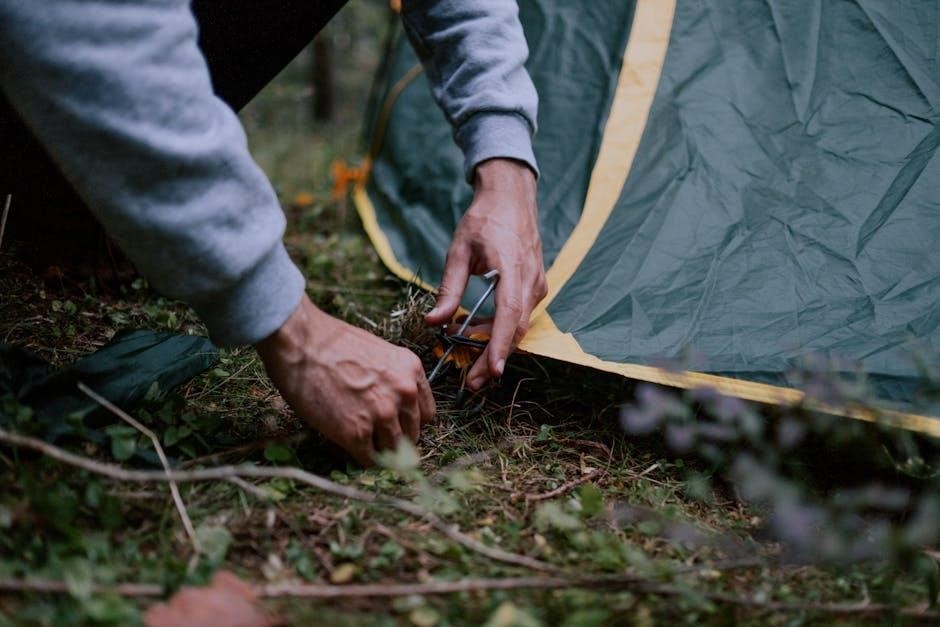
Effectively securing tent guide ropes to stakes or natural anchors is crucial for stability. When using stakes, drive them into the ground at a 45-degree angle, pointing away from the tent, to maximize holding power. Ensure stakes are fully buried, leaving only a small loop for rope attachment. For soft ground, consider using wider stakes or deadman anchors – burying objects and tying ropes to them.
When tying ropes to stakes, avoid creating excessive slack. A simple overhand knot or a more secure hitch works well. Regularly inspect stake placement, especially during inclement weather, and re-secure if necessary. Utilizing natural anchors like trees or rocks requires careful rope placement to avoid abrasion and damage to both the rope and the anchor point.
Maintenance and Care of Tent Guide Ropes
Regular cleaning and proper storage extend rope life; inspect frequently for wear, abrasions, and damage, replacing worn ropes promptly for safety.
Cleaning and Storage
Maintaining your tent guide ropes involves simple cleaning and careful storage practices to maximize their lifespan and performance. After each camping trip, or when ropes become soiled, rinse them with cool, clean water to remove dirt, mud, and debris. Avoid harsh detergents or chemical cleaners, as these can weaken the rope fibers.
For stubborn stains, a mild soap solution can be used, followed by a thorough rinse; Crucially, always allow the ropes to air dry completely before storing them. Storing wet ropes can lead to mildew and rot, significantly reducing their strength and durability.
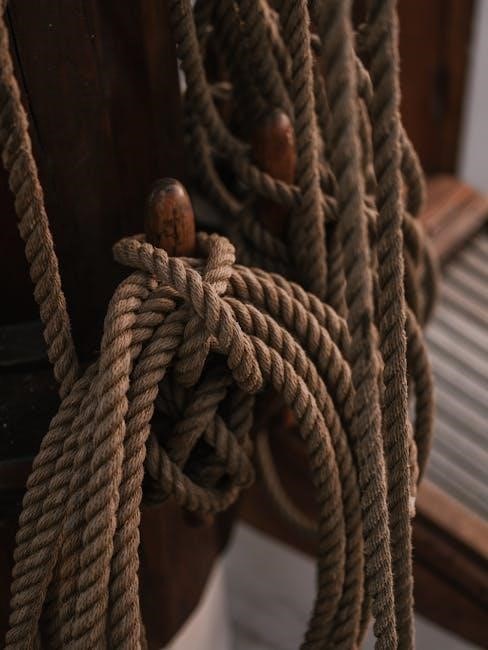
When storing, coil the ropes neatly, avoiding tight bends or kinks. A loose coil is preferable to prevent internal stress on the fibers. Store in a cool, dry, and dark place, away from direct sunlight and extreme temperatures. Consider using a rope bag or container to protect them from dust and abrasion during storage.
Inspecting for Wear and Tear
Regular inspection of your tent guide ropes is vital for safety and reliability. Before and after each use, carefully examine the entire length of each rope for signs of damage. Look for abrasions, cuts, fraying, or discoloration, which can indicate weakening of the fibers. Pay close attention to areas where the rope passes through tensioners or comes into contact with sharp objects.
Specifically, check knots for proper tying and any signs of slippage or loosening. A compromised knot can fail under stress. If you detect any significant wear and tear, retire the rope immediately. Do not attempt to repair damaged ropes with tape or other makeshift solutions, as this can create a false sense of security.
Replacing worn ropes is a small investment compared to the potential consequences of a rope failure during inclement weather. Prioritize safety by proactively maintaining your gear and replacing ropes as needed.

Applications Beyond Tent Camping
Versatile utility extends beyond tents; guide ropes effectively secure tarps, awnings, cargo, and provide general outdoor assistance for various tasks and projects.
Securing Tarps and Awnings
Tent guide ropes prove invaluable when securing tarps and awnings, offering a reliable method for creating sheltered spaces outdoors. Utilizing the same principles as tent anchoring, these ropes, often nylon or polypropylene, provide robust support against wind and inclement weather. Employing appropriate knots like the tautline hitch allows for adjustable tension, ensuring the tarp or awning remains taut and secure.
Proper anchoring is crucial; use stakes or secure attachment points to prevent slippage or detachment. Consider the material of the tarp or awning when selecting rope – heavier materials require stronger ropes. Regularly inspect the ropes and attachment points for wear and tear, especially after prolonged exposure to the elements, to maintain safety and effectiveness. This ensures a durable and dependable shelter.
General Outdoor Utility
Beyond tent camping, tent guide ropes demonstrate remarkable versatility for a multitude of general outdoor applications. Their strength and durability make them ideal for securing cargo, creating makeshift clotheslines, or even assisting in basic repairs while hiking or backpacking. Farmers and ranchers find them useful for securing loads and reinforcing structures. Construction sites benefit from their utility in tying down materials and tools.
The inherent strength-to-weight ratio of materials like paracord and Dyneema allows for compact storage and easy transport. These ropes can also be employed for crafting emergency shelters or creating improvised tools. Their resistance to various environmental factors ensures reliability in diverse conditions, making them a valuable asset for any outdoor enthusiast or professional.